In short: to become a social media manager in Nigeria, learn the core skills (strategy, content, copywriting, community management and analytics), practise on real accounts, turn that work into a small portfolio, then pitch businesses you can genuinely help. You do not need a degree or expensive equipment. You need proof that you can grow a brand online.
Every week, someone sends us a version of the same message: “I want to become a social media manager. Where do I start?”
It is a good question, because the job looks simple from the outside. Post nice pictures, reply to comments, done. In reality, the social media managers who get paid well are the ones who think like marketers. They understand the business, plan content with a goal in mind, and can show a client what changed because of their work.
This guide walks you through the path we teach at the School of Social Media Managers, step by step.

What does a social media manager actually do?
A social media manager is responsible for how a brand shows up and performs on social media. On a normal week, that includes:
- Planning: deciding what to post, where and when, based on the brand’s goals.
- Creating: writing captions, designing graphics, filming and editing short videos.
- Publishing: scheduling posts and making sure they go out on time.
- Community management: replying to comments and DMs, and handling complaints calmly.
- Reporting: tracking what worked, what did not, and explaining it to the client in plain language.
- Advertising (often): running and monitoring paid ads on Meta or TikTok.

In Nigeria, many businesses are run by busy owners who are managing their pages themselves. That is your opportunity: they need someone who can take this work off their hands and make it pay off.
Step 1: Learn the core skills
You do not need to be an expert at everything on day one, but you need a working grip on these seven skills:
- Content strategy: turning a business goal (“more orders”, “more enquiries”) into a monthly content plan.
- Copywriting: writing captions that stop the scroll and tell people what to do next. Frameworks like AIDA (Attention, Interest, Desire, Action) help.
- Basic design: creating clean, on-brand graphics in Canva.
- Short-form video: filming and editing simple Reels and TikToks on your phone.
- Community management: responding quickly and professionally, including to angry customers.
- Analytics: reading Instagram, Facebook and TikTok insights, and knowing which numbers matter for the goal.
- Client communication: onboarding a client, presenting a plan, sharing reports and handling feedback.
Learn them in that order, because each one builds on the last.

Step 2: Choose a niche (at least to start)
“I manage social media for anybody” is hard to sell. “I help restaurants in Lagos get more orders from Instagram” is easy to understand and easy to refer.

Pick a niche you already understand or have access to: food, fashion, beauty, real estate, churches, schools, events, or professional services. Your niche can change later. For now, it helps you focus your learning and your portfolio.
Step 3: Practise on real accounts
Theory only gets you so far. You learn this job by doing it. Good places to practise:
- Your own page: treat it like a client. Set a goal, post consistently for 30 days and track the results.
- A friend’s or family member’s business: offer to manage their page for one month, free or at a token fee, in exchange for honest feedback and permission to use the results.
- Your church, NYSC CDS group, school club or community organisation: these always need help, and the work is real.

Keep notes as you go: what the account looked like before, what you changed and what happened.
Step 4: Build a simple portfolio
A portfolio does not need a fancy website. A clean PDF or a Google Drive folder works. For each account you have worked on, show a short case study:
| Section | What to include |
|---|---|
| The brand | Who they are and who they sell to |
| The problem | What was not working before you started |
| What you did | Your plan, sample posts, captions and videos |
| The result | Numbers that matter: reach, followers gained, enquiries, sales |
| What you learnt | One honest lesson, which shows maturity |
Two or three strong case studies are worth more than ten random designs.

Step 5: Set up your toolkit
You can run an account professionally with free or low-cost tools:
- Canva for graphics and simple video edits.
- CapCut for Reels and TikTok editing.
- Meta Business Suite to schedule Facebook and Instagram posts and read insights.
- Google Sheets or Notion for content calendars and reports.
- WhatsApp Business for organised client communication.

Ready-made templates save you hours here. Our Social Media Manager Starter Kit gives you 50+ plug-and-play templates built for real client work.
Step 6: Find your first clients
Your first clients will almost always come from people who already know you. Start there:
- Tell your network. Post on your WhatsApp status, Instagram and LinkedIn that you now manage social media for businesses, and show one result.
- Make a list of 20 businesses in your niche whose pages you could improve. Look for active businesses with weak or inconsistent pages.
- Send a short, specific pitch. Do not send a long CV. Point out one or two things you would improve, and offer a quick call.
- Follow up once, politely, after three or four days.
Here is a simple pitch you can adapt:

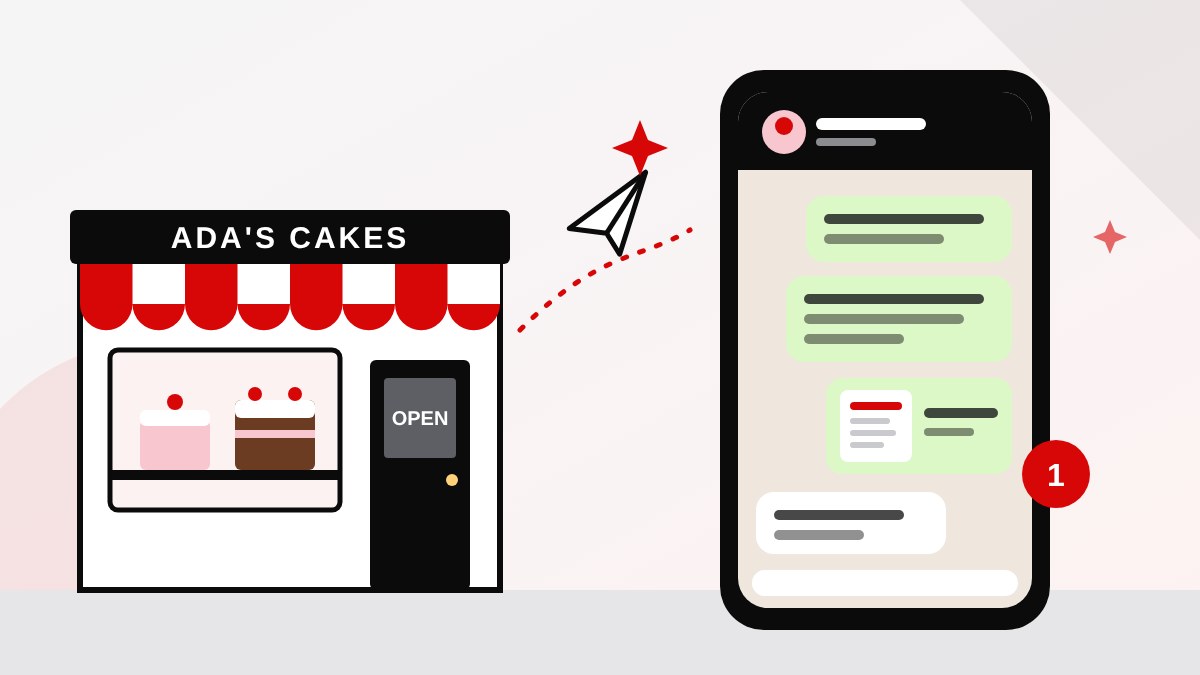
“Hi Ada, I love your cakes and I’ve been following your page. I noticed you post mostly photos and haven’t shared any Reels yet. Short videos of your decorating process could bring you a lot more reach. I’m a social media manager and I’d be happy to share a free mini plan for your page. Would that be useful?”
Step 7: Price your services properly
Many new social media managers undercharge, burn out and quit. Instead of pricing per post, sell monthly packages with clear deliverables, for example:
- Number of posts and videos per month
- Platforms covered
- Community management hours
- A monthly report and review call

To find your price, estimate the hours the package will take, decide on a fair hourly rate for your skill level, and add any tools you pay for. Put everything in writing, collect at least part of the payment upfront, and review your prices every few months as your results grow.
Step 8: Report results and keep learning
The fastest way to keep a client, and get referrals, is a monthly report that answers three questions in plain language:
- What did we do this month?
- What happened as a result?
- What will we do differently next month?

Platforms change constantly, so keep learning. Follow the official Meta and TikTok business blogs, study accounts in your niche, and keep improving your own skills.
Common mistakes to avoid

- Chasing followers instead of business results. A client cares about enquiries and sales more than likes.
- Saying yes to everything. Agree on the scope in writing before you start.
- Posting without a plan. Every post should have a purpose.
- Ignoring the numbers. If you do not track results, you cannot prove your value.
- Working without a contract or deposit. Protect yourself from the start.
Ready to start?
Becoming a social media manager in Nigeria is very achievable if you take it one step at a time: learn the skills, practise on real accounts, build proof and then go after clients with confidence.
If you want a structured path, Social Media Management Mastery walks you through all of this with video lessons and assignments that build your portfolio as you learn. If you prefer to read, the Social Media Management Mastery e-book covers the same journey across seven chapters.
Frequently asked questions
Do I need a degree to become a social media manager in Nigeria?
No. Clients and employers care about what you can show them: a portfolio of real accounts you have managed, the results you got and how clearly you explain your work. A degree in marketing or mass communication can help, but it is not required.
How long does it take to become a social media manager?
If you study and practise consistently, you can learn the core skills in a few weeks and land your first small client within two to three months. Becoming confident with strategy, reporting and paid ads takes longer, and it comes from working on real accounts.
Can I become a social media manager with only a phone?
Yes, you can start with a smartphone. Canva, CapCut, Meta Business Suite and the Instagram and TikTok apps all work on a phone. A laptop becomes useful once you manage several clients and need to write reports and content calendars.
How much should a beginner social media manager charge in Nigeria?
Work out how many hours a month the account will take, decide what your time is worth, and add the cost of any tools. Start with a clear monthly package (for example, 12 posts, community management and a monthly report) instead of charging per post, and raise your price as you collect results.
What is the best social media management course in Nigeria?
Look for a course that teaches strategy, content, community management, analytics and client work together, with assignments that build your portfolio. Social Media Management Mastery by the School of Social Media Managers was built for exactly this.
Want the full system, step by step?
Social Media Management Mastery takes you from your first post to paid client work, with templates you can use right away.
See the course & e-book →
Zelia Kafene founded Sublime Media Limited in 2019 and leads its strategy work for brands across Africa. She also teaches at the School of Social Media Managers, where she trains new social media managers to do client-ready work.